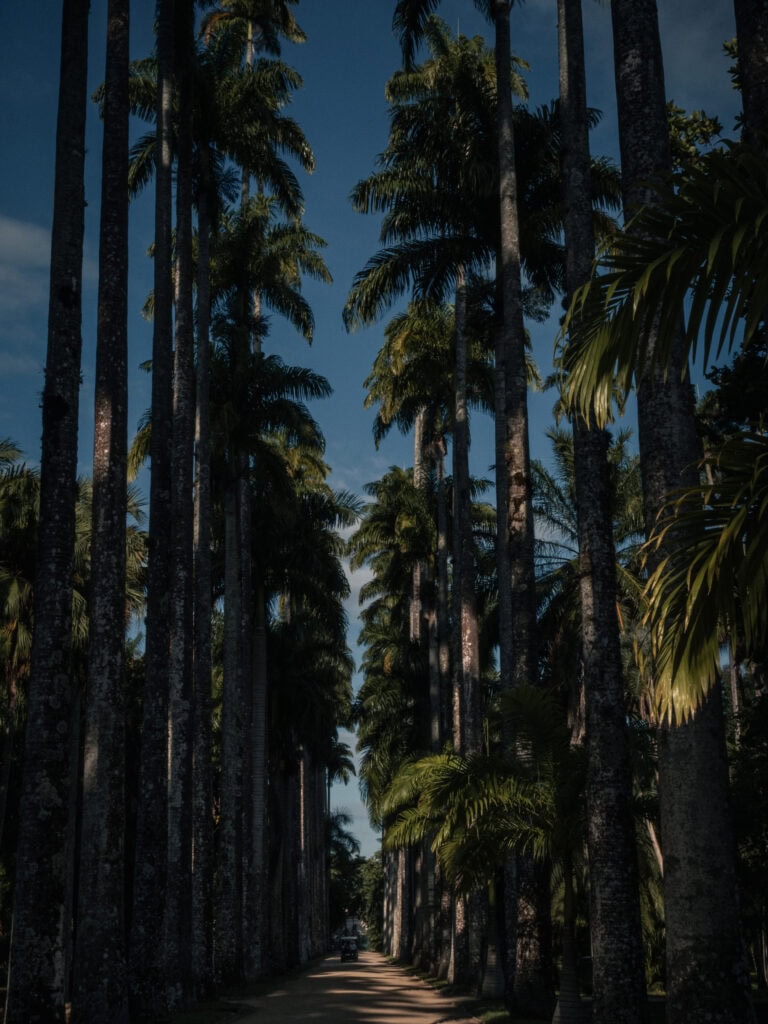
There’s nowhere quite like Rio de Janeiro. It’s bold, dramatic, and full of contrast. The kind of place that keeps you wide-eyed and curious, camera in hand.
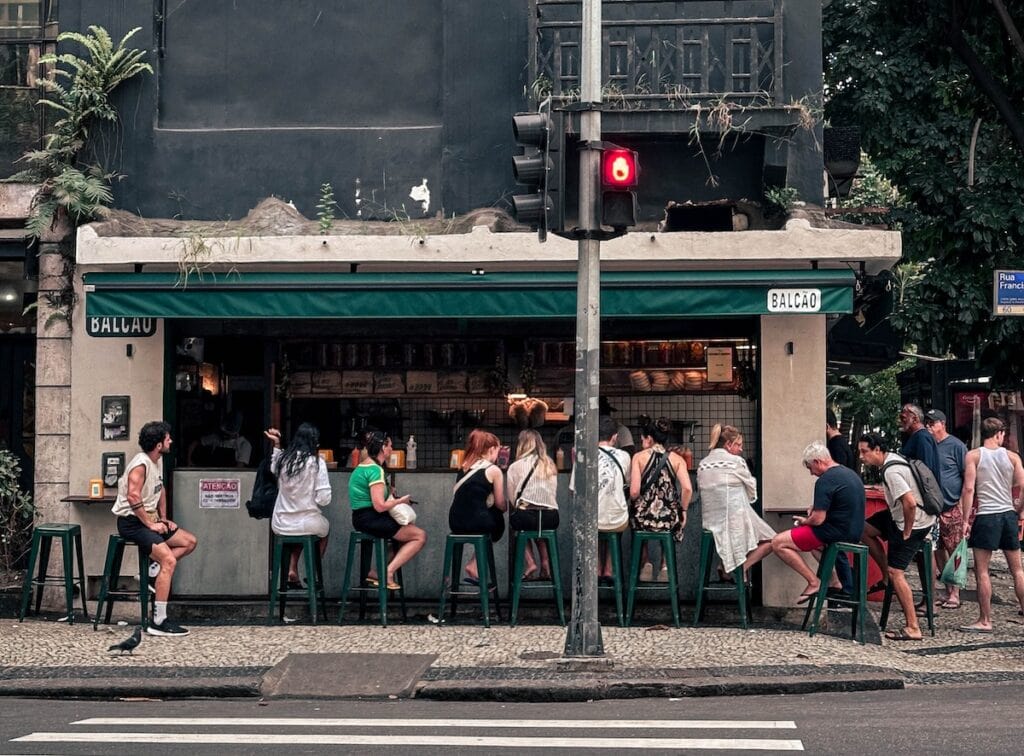
From long stretches of beach filled with sunbathers, foot volley matches, and roller skaters, to iconic landmarks like Christ the Redeemer and Sugarloaf Mountain, Rio has no shortage of showstoppers. But there’s more beyond the postcard moments. You’ll find scenic hikes with the best views in Rio, bikes weaving along the beachfront, and tiny bars and restaurants spilling onto the sidewalks.
There’s a buzz to this city. A rhythm that moves through the people, the streets, and the skyline. Rio is full of colour, energy, tension, and beauty. And somehow, it all fits.

When I Went
June 2025

How Long I Stayed
7 days / 6 nights

Nearly Packed List
Click to expand my full list
Clothes: jeans, shorts, t-shirts, light jacket, swimwear
Shoes: hiking boots, sandals
Essentials: socks, underwear, hat, sunglasses
Gear: camera body + 2 lenses, spare batteries, memory cards
Extras: reusable water bottle, sunscreen, insect repellent
Best Time to Visit Rio de Janeiro
Rio de Janeiro is a year-round destination, but the experience shifts with the seasons.
December to March
Brings summer heat, lively beach scenes, and Carnival season. It’s high energy, high season, and high humidity. If you’re after peak buzz, this is it. Just be ready for big crowds and higher prices.
April to June
A sweet spot. It’s cooler, calmer, and still full of life. I visited in June and found the weather ideal for exploring. It was warm enough for the beach, but without the intense heat or chaos of Carnival. The skies stayed mostly clear, the hikes were comfortable, and the city still had its usual buzz.
July to September
Winter in Rio. Temperatures are mild and it’s typically drier, making it another great time for outdoor adventures.
October to November
Warms up again before the summer crowds return. These shoulder months strike a nice balance for travellers wanting fewer crowds but still plenty of sunshine.
What To Expect in Rio
Language
Portuguese is the official language of Brazil. English isn’t widely spoken, so it helps to learn a few key phrases or use a translation app when travelling around Rio de Janeiro.
Currency
The currency in Brazil is the Brazilian Real (BRL). While it’s always good to have some cash on hand just in case, I found I barely needed it. Even small bars and beach stalls in Rio de Janeiro accepted card payments. The only time I used cash was for a moto taxi to the Dois Irmãos hike entrance. Most places are well set up for contactless and card payments. One thing to note: when asked if your card is debit or credit, always select credit if you’re using a foreign card. In Brazil, debit usually refers to local bank cards only.
Getting Around
Rio is a sprawling city with plenty of options for getting around. Metro and Uber are the easiest and safest ways to get from A to B. Some neighbourhoods are very walkable, but be prepared for hills and humidity depending on the time of year.
Plugs
Brazil uses plug types C and N, with a standard voltage of 127/220 V and frequency of 60 Hz. A universal travel adapter is recommended.
Safety
Rio de Janeiro often gets a reputation for safety concerns, but I felt safe throughout my time there as a solo female traveller. Like any big city, staying aware of your surroundings makes a big difference. Stick to well-known neighbourhoods, avoid flashing valuables, and trust your instincts.
Where to Stay in Rio
Botafogo
I booked a private room via Booking.com and really liked the area (it’s also quite budget friendly). It felt safe, was well-connected to the metro, and had everything I needed within walking distance, including grocery stores, shops, and a variety of bars and restaurants. Botafogo is quietly becoming one of the most vibrant neighbourhoods in Rio’s South Zone, known for its lively food scene and great mix of fun bars and local spots to check out.
Copacabana
I stayed in two different places in Copacabana, both booked through Airbnb. The first was a private room in someone’s home, which felt super welcoming and local. The second was a self-contained studio in a secure building. The area is lively, walkable, and felt safe, with loads of restaurants, bars, al fresco dining spots, and shops nearby. Copacabana isn’t just about the beach (though the people-watching there is excellent); the neighbourhood has a constant hum of activity, day and night, and is one of the best areas to base yourself if you want easy access to both the coast and city life.
Rio Through the Lens
Rio de Janeiro is a dream for travel photographers. From hazy mountaintop views to beach scenes filled with movement and character. So, whether you’re drawn to sweeping vistas or gritty street detail, there’s always a shot waiting. I couldn’t put my camera down. The light, the rhythm, the energy of the city constantly revealing something new around every corner.